What to expect at the book launches of Wired Our Own Way:

Launch number 1: The Dublin book launch of Wired Our Own Way
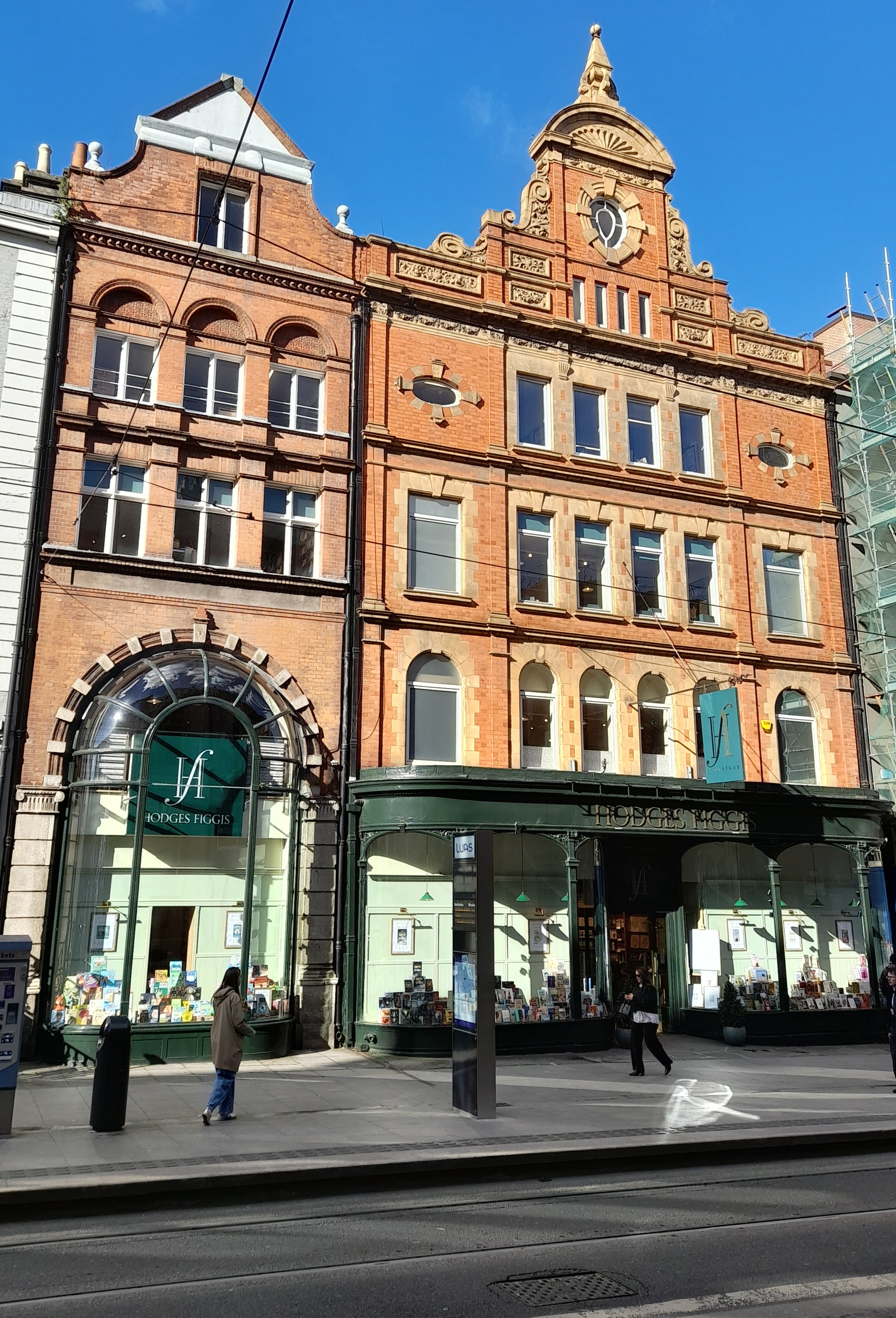
Photo of shop front of Hodges Figgis bookshop

Location: Hodges Figgis bookshop, 56-58 Dawson Street, Dublin 2.

Date and Time: 27th March 2025, at 6pm

The venue:

  • The launch will take place on the second floor of the bookshop.
  • There is a lift and a stairs.
  • A section of the bookshop will be cleared for the launch area (i.e. bookshelves will be pushed out of the way).
  • The bookshop will remain open to the public during the launch, until the usual closing time. The launch is open to the public (i.e. not invitation only, not ticketed).
  • There will be some seating, but many people will stand.
  • There will be an area with a microphone and chairs for those speaking / reading.
  • There is a bathroom in the shop.

Refreshments:

  • There will be a table with refreshments, typically wine and water.

Running order of the event:

  • The first speaker will introduce the event and the book.
  • Niamh, the editor, will speak about the book and how it came about.
  • 2 or 3 contributors from the anthology will read from their essays. They will each read for approximately 5 minutes.
  • Non-speaking writers will have a communication partner with them for their reading.
  • There will be an opportunity for people in the audience to ask questions to Niamh or the other speakers.
  • After the speaking and readings, people tend to mill about and chat.
  • There will be an opportunity for people to get their book signed.
  • Book launches typically last 1 – 1.5 hours, but you can leave any time you need.

Sensory considerations:

  • There will be a quiet area set up at the back of the second floor, if anyone needs a quiet break. Alternatively, you can take a quiet break on one of the other floors.
  • The tills will remain open during the event, and therefore they may make noise.
  • Book launches can be crowded, with a lot of people standing around.
  • The microphone and speakers can be loud, but every effort will be made to ensure sound quality and volume is not excessive.

After the book launch social opportunity:

  • There will be a nearby bar reserved for people to go to after the event to socialise and have a drink if they wish. This can be a nice way to meet the writers and other people interested in the book or autism.

Launch number 2: The Cork Launch of Wired Our Own Way
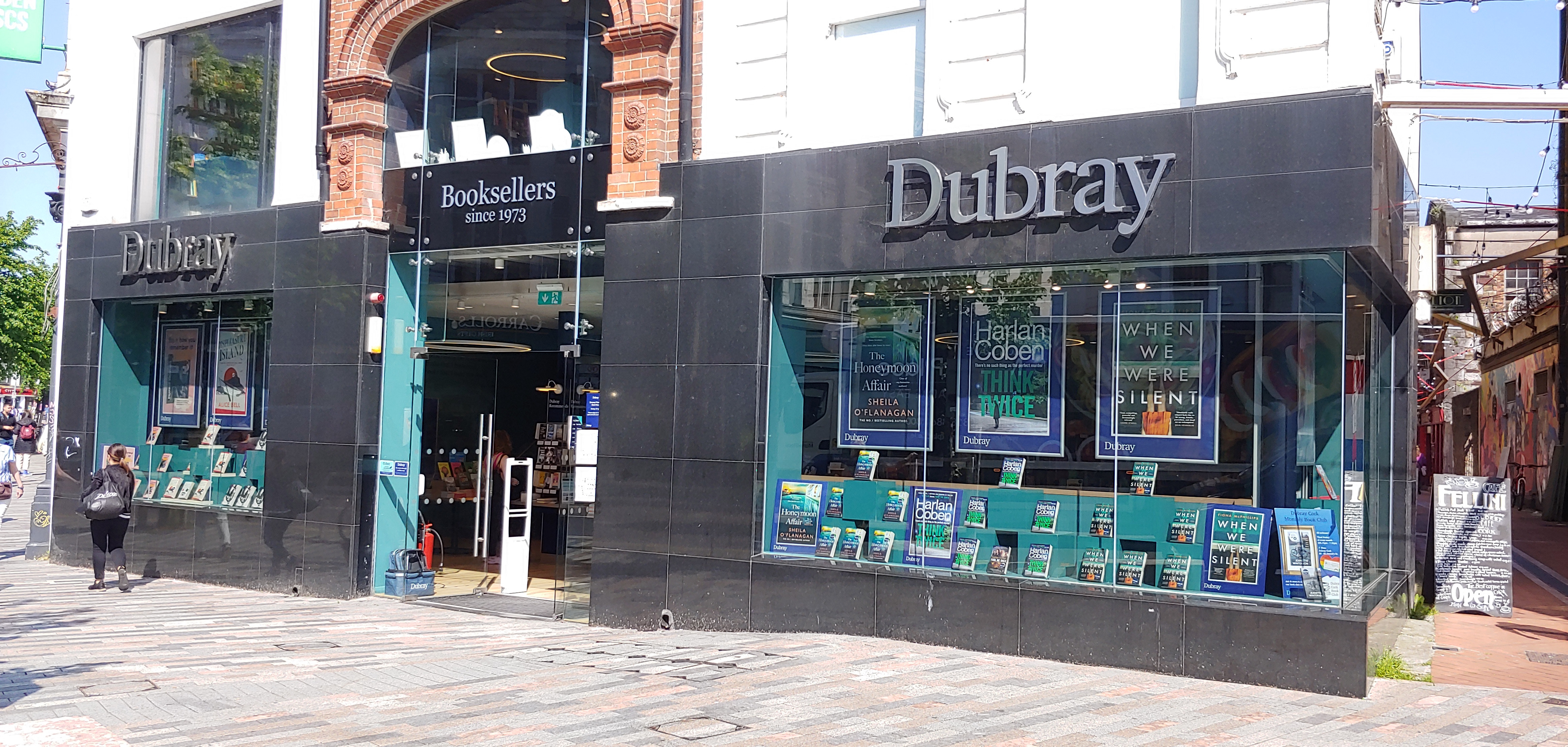
Location: Dubray, 83-85 St Patricks Street, Cork.

Date and Time: 3rd April 2025, at 6:30pm

The venue:

  • A section of the bookshop will be cleared for the launch area (i.e. tables of books will be pushed out of the way).
  • The bookshop will remain open to the public during the launch until the usual closing time of the shop.
  • The launch is free and open to the public (i.e not invitation only and not ticketed).
  • There will be some seating, but many people will stand.
  • There will be an area with a microphone and chairs for those speaking / reading.
  • There will be a quieter area upstairs to take a break in. We ask that people attending respect that this is a quiet area.
  • The launch will take place downstairs in Dubray. If you wish to avail of the quieter area upstairs, there is a lift and a stairs to access it.
  • There are no public toilets in the bookshop. The nearest public toilets are in Paul Street Shopping Centre, by the checkouts for Tesco. It is approximately a 2 minute walk from Dubray to Paul Street Shopping centre. There is a small charge to use the toilets (20/ 50 cent coin?).
  • The nearby streets “Carey’s Lane” and “French Church Street” have a good selection of restaurants and cafés, for those who arrive early or want somewhere to eat after the event and who do not wish to take part in the after-event social. Most of these have customer toilets also.

Parking:

  • The closest parking is in Paul Street shopping centre car park (there is a charge).

Refreshments:

  • There will be a table with refreshments, typically wine and water.

Running order of the event:

  • The first speaker will introduce the event and the book.
  • Niamh, the editor, will speak about the book and how it came about.
  • 2 or 3 contributors from the anthology will read from their essays. They will each read for approximately 5 minutes.
  • There will be an opportunity for people in the audience to ask questions to Niamh or the other speakers.
  • After the speaking and readings, there will be an opportunity for people to get their book signed.
  • Book launches typically last 1 hour – 1.5 hours but you can leave any time you need.

Sensory considerations:

  • The tills will remain open during the event. These may make noise but are not directly next to the location where the launch occurs.
  • Book launches can be crowded, with a lot of people standing around.
  • There will be a quieter area upstairs if you need a break from the crowd.
  • The microphone and speakers can be loud, but every effort will be made to ensure sound quality and volume is not excessive.

After the book launch social opportunity:

  • There will be a nearby bar reserved for people to go to after the event to socialise and have a drink if they wish. This can be a nice way to meet the writers and other people interested in the book or autism.
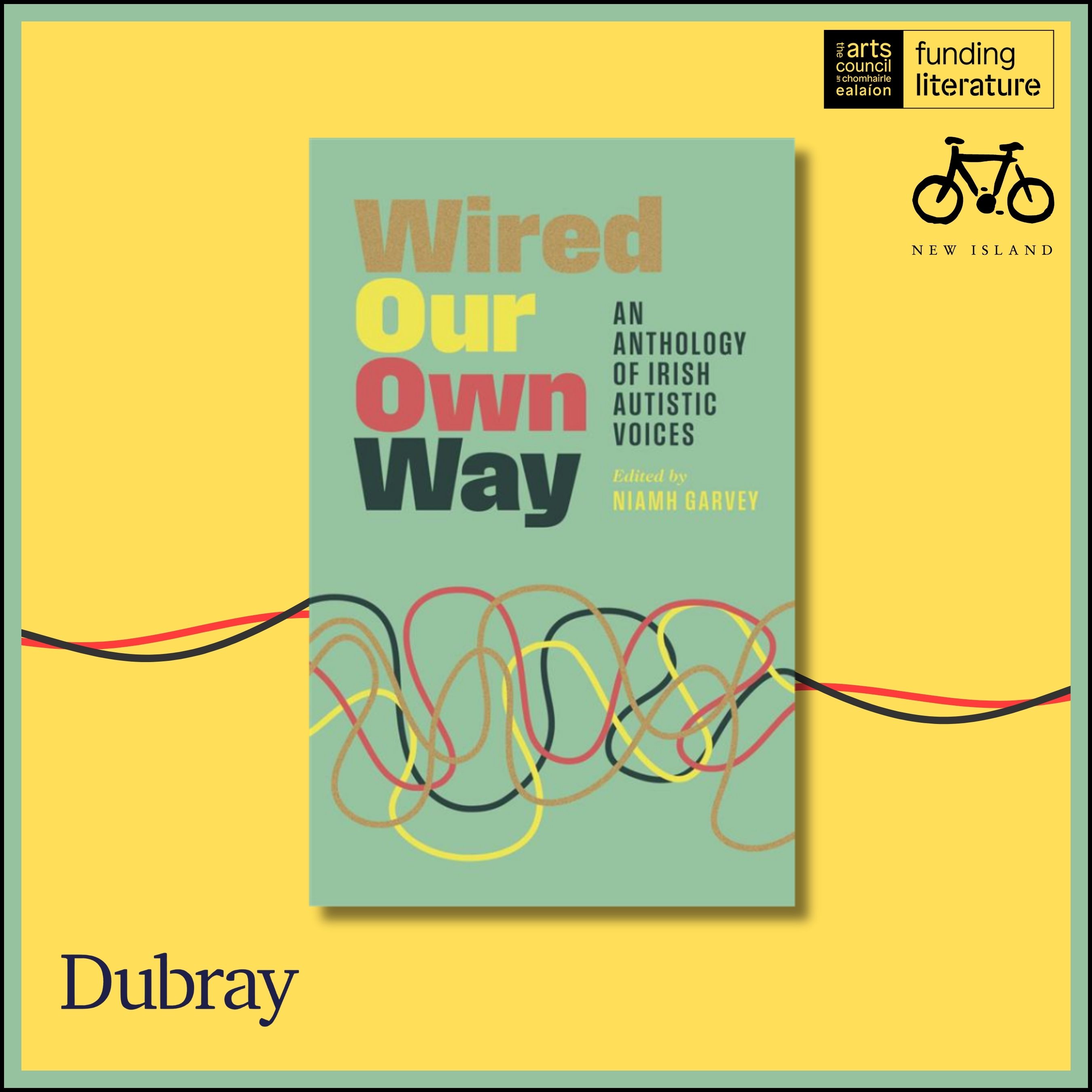
Wired Our Own Way; An Anthology of Irish Autistic Voices

My latest book is a beautiful anthology of essays by Irish autistic adults, and is available to pre-order now from Dubray bookshops at: https://www.dubraybooks.ie/product/wired-our-own-way-9781835940051

Publication date: 28th March 2025

Publisher: New Island Books

Photo of book cover of Wired Our Own Way. Published by New Island Books. Dubray is written at the bottom left.

Wired Our Own Way: An Anthology of Irish Autistic Voices is the first collection of personal essays written by autistic Irish adults. One in twenty-seven Irish school children are now diagnosed as autistic, and autism is entering the general population’s consciousness much louder than it did in the past. As understanding about autism spreads, more and more adults are now finding out that they are autistic. This anthology shines a light on how important autism identification is, and how the label of ‘autism’ can enhance ones self-understanding and self-compassion.

Throughout this collection of essays, the writers highlight how the lived-experience of autism varies drastically from one autistic person to another, and show that there is no one way to be autistic. From meltdowns to mental health, from being diagnosed in early childhood to being diagnosed in late adulthood, from cultural perceptions of autism to employment, the essays explore the huge range of diversity within the autistic Irish experience.

One of the strengths of this book is that it contains a diversity of essays written by a variety of new voices, established writers (including Nuala O’Connor, Fiacre Ryan, Naoise Dolan, Chandrika Narayanan-Mohan, Stefanie Preissner and more), and people in the public eye (included James McClean, Adam Harris and more).

Publishing March 28th 2025. Pre-order via Dubraybooks.ie

Making my book launch Autism-Friendly

Please note: All images have basic ALT text descriptions for visually impaired readers, but if anyone wants a more detailed breakdown of a photo (e.g the ones containing multiple books), please leave a comment and I will respond with a more thorough breakdown.

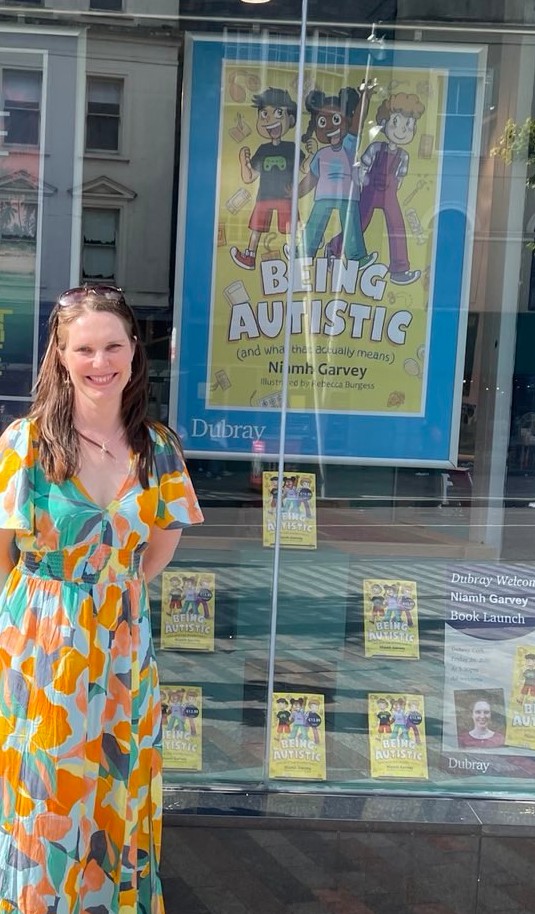
Photo of me standing outside Dubray bookshop's window.

In the window there is a large poster of my book "Being Autistic (and what that actually means)" plus a number of copies of the book.

The book launch of “Being Autistic (and what that actually means)” is done and dusted, and happily etched in my memory.

My favourite part of the evening was when a little boy told me “I’m autistic and I’ve never met another autistic person before”, and now here he was in a room full of autistic people, and feeling part of something bigger, and not alone.

Another special moment for me was when I was reading the section in my book on autistic stimming (which is a type of repetitive movement or behaviour that autistic people can do to regulate themselves) and the children started putting their hands up to tell me about their own stims. In that moment, in that room, autism was normalised to those children, which was one my biggest goals when I decided to write this book.

How I made the launch Autism Friendly:

The launch took place in Dubray bookshop, Cork. Dubray were wonderful to work with, and together we did the following to make this an Autism Friendly book launch:

1. I made a Visual Plan/ social story that showed what to expect at the book launch, and when to expect it. This included photos of the venue, and most importantly, explanations about where to go if anyone needed a quiet place, including the quiet corner or downstairs in the bookshop. This was the social story:

2. There was a Quiet Space prepared at the opposite side of the room to where the launch was happening. This quiet space had armchairs, a bean bag, cushions, fidgets, ear defenders and colouring. It was not possible to have the Quiet space in a different room, which would be the ideal type of Quiet space, but it was separated from the main launch space by multiple bookshelves.

Two armchiars, a bean bag, a floor cushion along with a table with fidgets, ear defenders and colouring

3. There was a variety of places to sit, including chairs, cushions, bean bags and blankets, which gave people a Sensory Choice of where they were most comfortable to sit (although a lot of adults had to stand as there was quite a big crowd!)

4.There were Fidgets and Ear Defenders available in abundance so anyone who wanted them could use them. Fidgets help a lot of neurodivergent kids to focus and listen (even if they look like they are distracted and not paying attention), and ear defenders allow noise sensitive kids to hear less background noise.

A selsction of figets toys: crochet ball, poppet, poppet ball, a yoyo, a rubix toy, and bendy fidget person

4. There were colouring sheets of illustrations from the book on clipboards (thank you to the illustrator Rebecca Burgess for making these for me!). The clipboards were to prevent the sheets tearing. This gave the children an Activity and Focus on arrival, so there was no pressure to communicate nor socialise if they did not want to.

photo of 2 copies of the book over 3 clipboards with colouring sheets

5. I considered the Attention Span of the age group, and kept the reading and speeches short as some of the autistic kids present were quite young. A good friend of mine, Eve McDonnell, who is a children’s author, introduced me, and kept it short and fun.

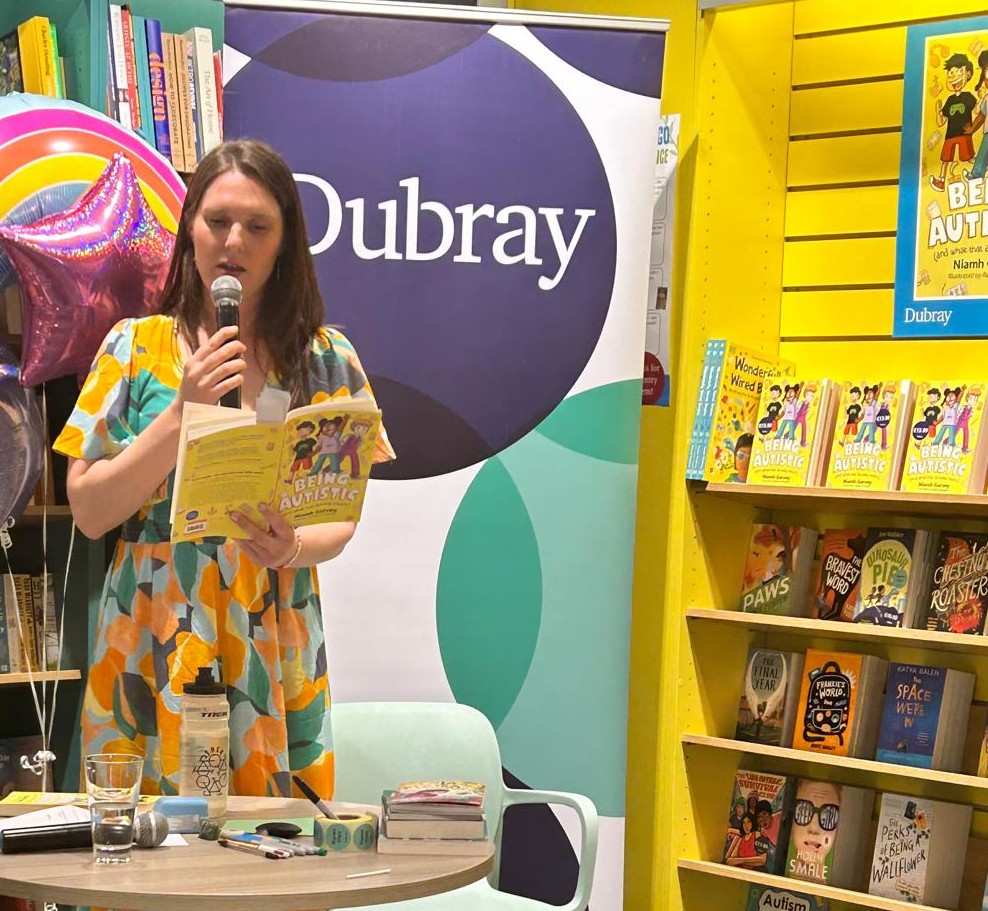
photo of me reading from a book with a microphone

6. People could choose from a Choice of sharpies or pens (including a choice of colour) for the book signing. I also made it clear that children did not need to get their book signed unless they wanted to. NB: While most of the kids loved the choice as it gave them a conversation topic when they reached me, some kids found the choice stressful. When I saw that a child was stressed by the choice, I chose for them by saying “How about I use my favourite one, that’s the blue pen…” which worked well. It was also really important not to rush the kids while making their choice, as autistic kids can take a bit longer to process language and choice.

7. There was a choice of drink flavours (cordial) and plain water to cater to different sensory tastes.

Extras: Displays of books with Neurodivergent Representation:

My children love when books have characters similar to themselves, as we probably all do. I asked Dubray could they do a display of kids books with autistic or neurodivergent characters, and books written by neurodivergent authors. Dubray did a brilliant display of books for children of all ages and interests, both fiction and non-fiction.

Book shelf of many kids books by neurodivergent writers or with neurodivergent characters

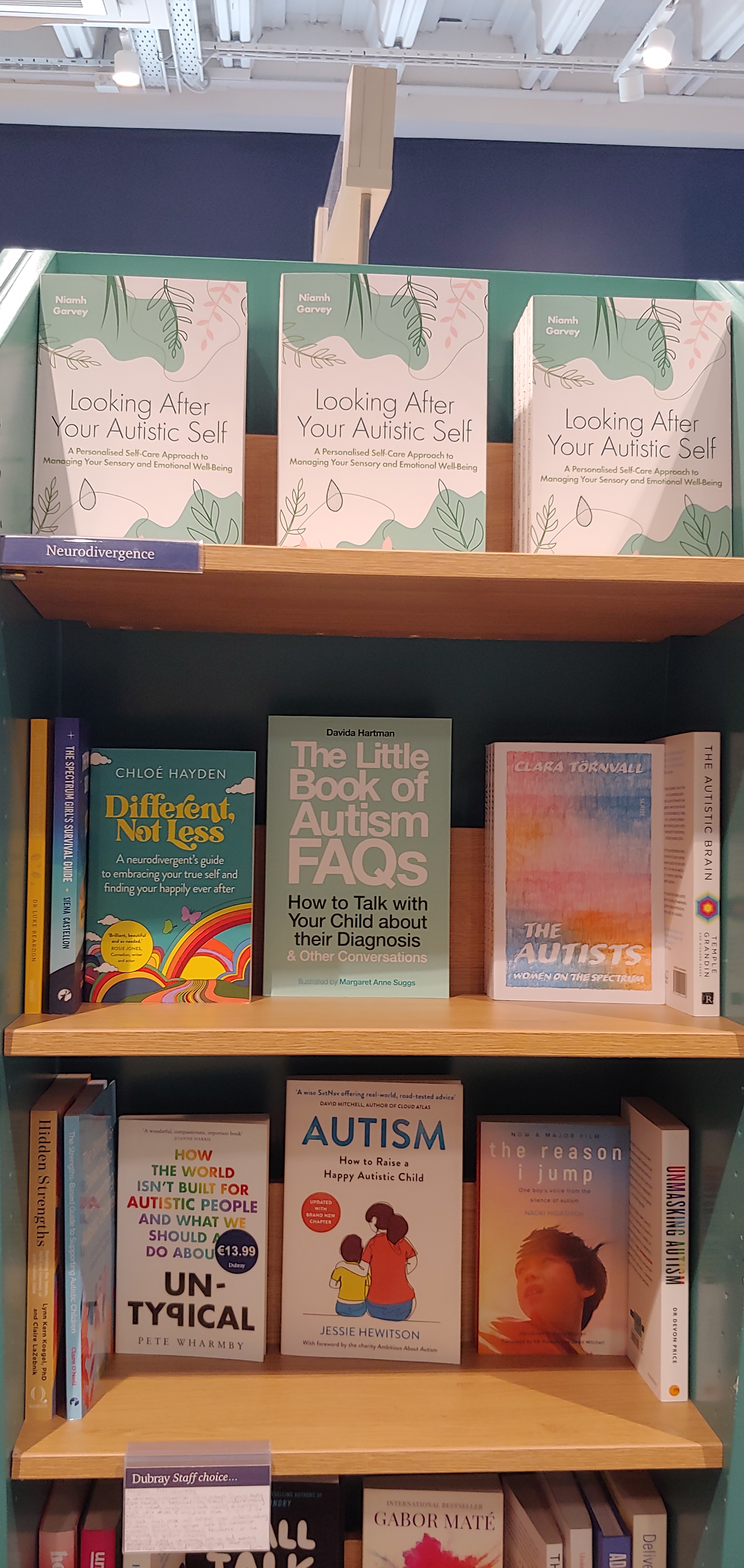
Not only did they do a kids book display but they did an adult one too.

Bookshelf of adult books on autism or by autistic writers

Making sense of the language: Neurodiversity, Neurodivergent and Neurodiverse.

I regularly hear people calling neurodivergent people “neurodiverse”, which is incorrect language, but an easy mistake to make. The language around this topic can be confusing, and I love that the word “neurodiversity” has entered society’s collective conversation, but I would love to see the correct language being used. It’s important that I make it clear that I don’t want to dissuade anyone from speaking about neurodiversity for fear of making a mistake. It’s okay to make a mistake! I simply hope that this article clears up any language confusion people might have.

What’s in this article?

Firstly, this article will explain what neurodiversity and neurodivergence mean.

Secondly, it will discuss how to use the correct language when referring to groups of people (neurodiverse, neurodivergent, neurotypical).

What is Neurodiversity?

A stylised multicoloured human brain consisting of a matrix of threads, shown in profile
Neurodiversity = Neuro (Brains) + Diversity (Differences)

Neurodiversity is the concept that the human race is made up of people with different types of brains, or neurotypes. Most people have neurotypical brains, but it is also natural and normal to have a brain that works differently to a neurotypical brain.

What is a Neurodivergent brain?

Neurodivergent = Neuro (brain) + Divergent (differs from the norm)

A neurodivergent brain is one that works differently to the more common, neurotypical brain. Some people call this “being wired differently”.

There are many different neurotypes that can make a person be neurodivergent, including Autism, ADHD, Dyslexia, Dyspraxia, Dyscalculia, etc.

Many neurodivergent people have more than one neurodivergent neurotype, e.g. a person might be Autistic and ADHD (which is often referred to as AuDHD), or ADHD and dyslexic etc.

Is it rare to be Neurodivergent?

Research has found that 1 in 10 people are neurodivergent (NIH, 2022), which shows that neurodivergence is not rare (but it is rarer than being neurotypical).

The correct language when referring to groups of people:

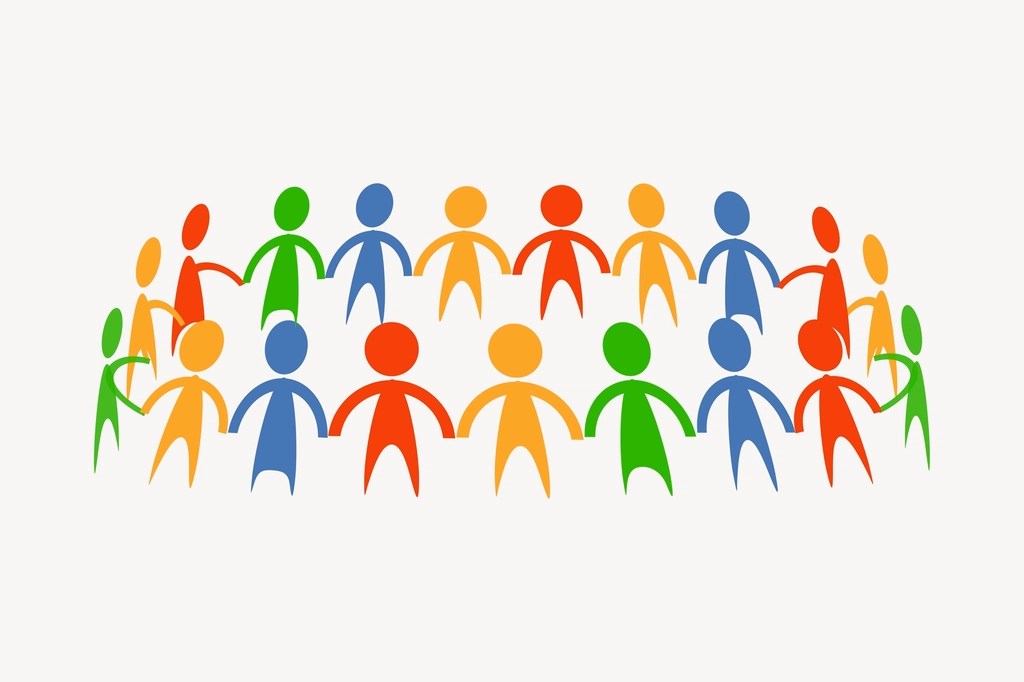
A circle of stylised block figures of people, holding hands. The people are variously coloured to indicate diversity.
A neurodiverse group is a group of people who have different neurotypes to each other i.e. more than one neurotype in the same group.

This is the most common group of people to be labelled incorrectly, in my opinion.

A group of people who are all neurodivergent, and have the same neurotype to each other, is a neurodivergent group. They are NOT a neurodiverse group, as there is no diversity of neurotypes within the group.

Examples:

  • A group of all autistic people = a neurodivergent group.
  • A group of all ADHD people = a neurodivergent group.

A group of people with different neurotypes to each other is called a neurodiverse group, even if there are neurotypical people in the group. This is because there is a diversity of neurotypes within the group.

Examples:

  • A group of neurotypical people and ADHD people = a neurodiverse group
  • A group of neurotypical people and autistic people = a neurodiverse group

If the people in the group have different neurotypes to each other, but are all neurodivergent, then this can be called either a neurodiverse group or a neurodivergent group.

Examples:

  • A group of autistic people and ADHD people = A neurodiverse or neurodivergent group
  • A group of ADHD people and Dyspraxic people = A neurodiverse or neurodivergent group.

A group of all neurotypical people is neither a neurodiverse nor a neurodivergent group. They are simply a neurotypical group.

References

NIH (2022) “Neurodiversity” Accessed on 6th June 2023 at https://dceg.cancer.gov/about/diversity-inclusion/inclusivity-minute/2022/neurodiversity

The Correct Language to use when Talking about Autism

For Autism month, I wanted to publish a post about the importance of using the correct language around autism.

It is important to note that all autistic people have different language preferences, and an individual autistic person may have a different language preference to the ones laid out in this guide. An individual’s language preferences about themselves should be respected.

“Is Autistic” versus “Has Autism”

Autism is not something a person has, nor something someone carries around with them. Being autistic is an intrinsic part of a person, and not something that gets separated from a person, and therefore is not something that a person “has”.

We don’t say we “have Irishness”, we say we “are Irish”. Similarly, a person doesn’t “have autism”, they “are autistic”. This is the terminology chosen by the majority of autistic people in English speaking countries.

1. “On The Spectrum”

Many autistic people dislike the phrase “on the spectrum” because some people use it to say things like “you are only a little bit on the spectrum” or “We are all a bit on the spectrum”. Sometimes people say this to try and reassure us that we do not appear autistic to them. But Autistic people are different to non-autistic people, and that is okay; it does not need to be seen as a negative thing. However, being autistic does come with challenges, which can be very disabling, even if the autistic person does not obviously “appear” to be autistic.

The autistic spectrum is not a linear thing, and you cannot be a bit on the spectrum, and a bit off the spectrum. It is true that nearly all non-autistic people have some autistic traits, but this does not mean that they are “a bit autistic”. An autistic person can only get diagnosed as autistic if they have a significant amount of autistic traits, or their autistic traits significantly impact their daily life.

2. Asperger’s Syndrome

The term Asperger’s Syndrome is an old term that was used to describe autistic people who did not have a language delay. It was often used for autistic people who were fluent speakers, as well as autistic people who did not have a co-occuring intellectual disability. It is now an out-dated term, and is no longer used in autism identification/ diagnosis.

3. ASD / Autism Spectrum Disorder

The official term for autism in diagnostic manuals is ASD or Autism Spectrum Disorder. When a person is assessed for autism, and meets the criteria for autism, they are diagnosed with ASD/ Autism Spectrum Disorder.

ASD is an umbrella term, and includes autistic people who have language disabilities as well as people without language disabilities, and people who do have an intellectual disability and also those who do not have an intellectual disability.

The Term ASD and Autism Spectrum Disorder is often not liked by autistic people, as it contains the word “disorder”, which sounds very negative about a natural neuro-type.

4. “Non-Verbal” versus “Non-Speaking”

40% of Autistic adults are unable to reliably communicate through speaking all of the time, or some of the time. A lot of autistic adults who cannot speak, or cannot rely on speaking to communicate, have expressed a dislike of the term “non-verbal”. This is because some people think that “non-verbal” means that the autistic person has no language, or cannot understand what other people are saying. Research has found that the majority of autistic adults prefer the term “non-speaking” (Zisk and Konyn, 2022).

Some autistic people call themselves “Part-time non-speaking” which means they can speak sometimes, but not other times (e.g if they are overwhelmed or feeling under stress).

References:

Zisk A, H. and Konyn, L. (2022) “How to talk about AAC and AAC Users (according to them)” Available at: https://www.assistiveware.com/blog/how-to-talk-about-aac [Accessed 17th February 2024]

Anthology Announcement: Personal Essays by Autistic Irish Adults

I’m currently editing an Anthology of personal essays written by Autistic Irish adults, which will be published by New Island Books. This will be the first of its kind in Ireland, and will be a wonderful way to compile the thoughts and experiences of a diverse range of Autistic people. I hope this book will not only be wonderful read, but will also spread autism awareness to the general public. I’m particularly keen to show how autism can be so different for different people.

I’m still looking for essays, so feel free to get in touch if you wish to express an interest in contributing to the book.The essay deadline is mid-May 2024.